
Orthodontics / OMT
Tongue Pressure Measurement in Orthodontics and Oro-Facial Myofunctional Therapy
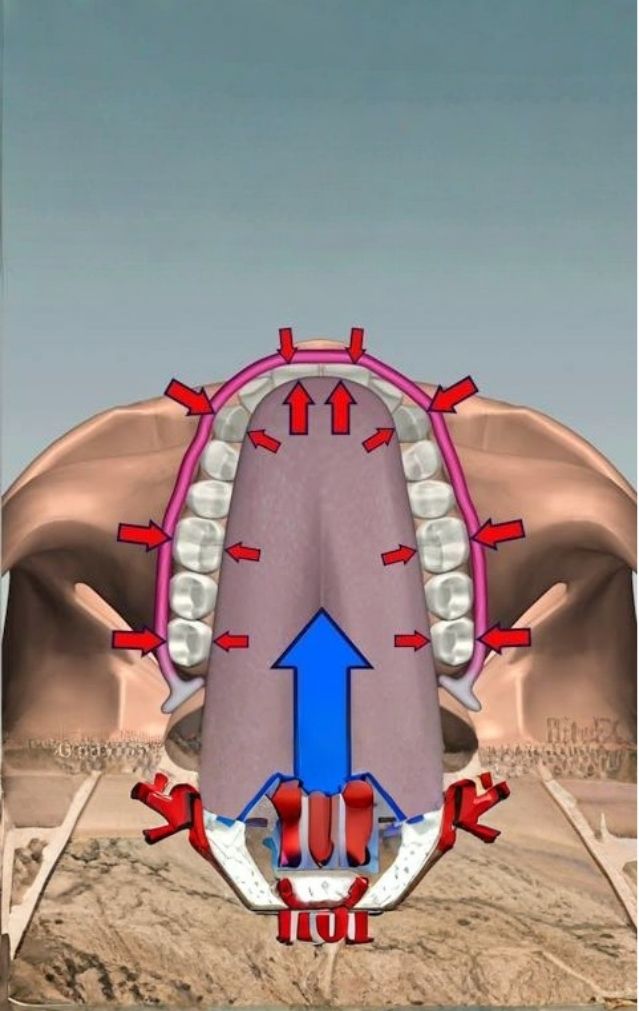
Dental malocclusions occur due to an imbalance of forces acting on the teeth from the tongue, lips, and cheeks. This imbalance can lead to both aesthetic and functional issues
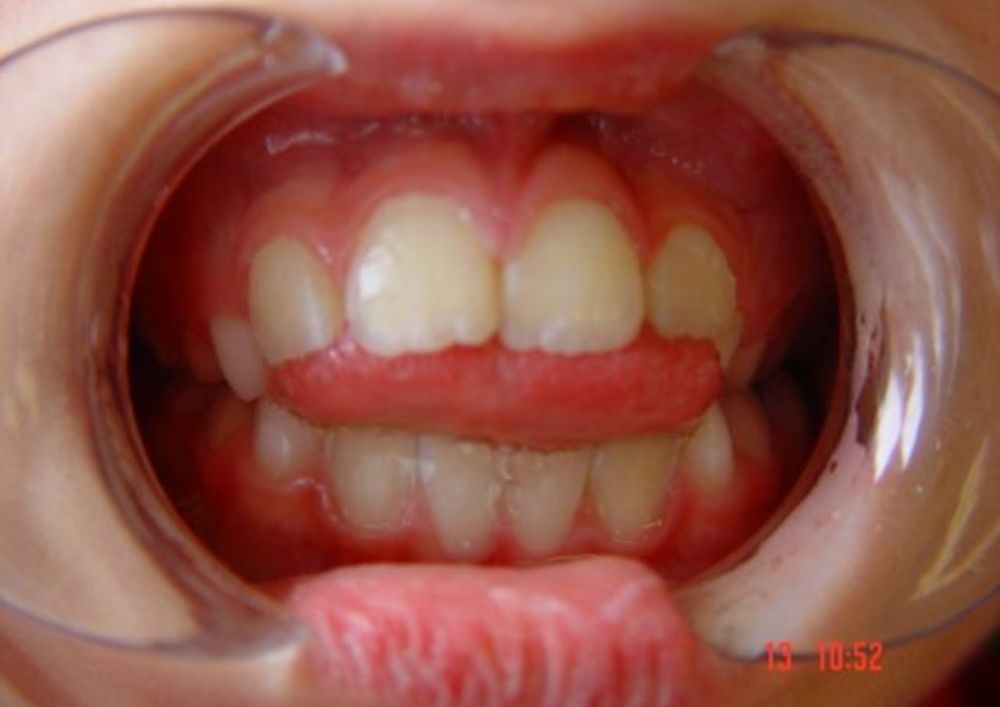
Tongue dysfunction and mouth breathing can disrupt this equilibrium, contributing to the development of malocclusion and post-treatment relapse.
Objective Functional Assessment
Objective understanding the forces exerted by the tongue, lips, and cheeks provides valuable insights into functional imbalances that are not visible during a standard examination.
TPMD Benefits for Orthodontic Practice
TPMD enables:
- Quantification of functional forces
- Validation of myofunctional rehabilitation
- Objective monitoring of functional stability
Objective Tongue Function Assessment in Temporomandibular Disorders
Temporomandibular Disorders (TMD)

Temporomandibular disorders are closely linked to mandibular dynamics, posture, and orofacial neuromuscular control.
The Role of the Tongue in TMD
An asymmetrical, low, or overly active resting position of the tongue increases the stabilizing strain on the masticatory system, which can contribute to pain and dysfunction.
Conditions such as bruxism, mouth breathing, and poor tongue posture (whether low, anterior, or interdental) often coexist and may lead to altered head posture and changes in mandibular dynamics.
Why Measure Tongue Function?
Objective assessment helps distinguish functional contributors from structural factors and supports interdisciplinary treatment planning.
TPMD in TMD Management
TPMD supports:
- Assessing tongue-related functional imbalances
- Justifying rehabilitation as a complement to splint therapy
- Monitoring neuromuscular rebalancing