

About the tongue
“If you can’t measure it, you can’t improve it,” – Peter Drucker
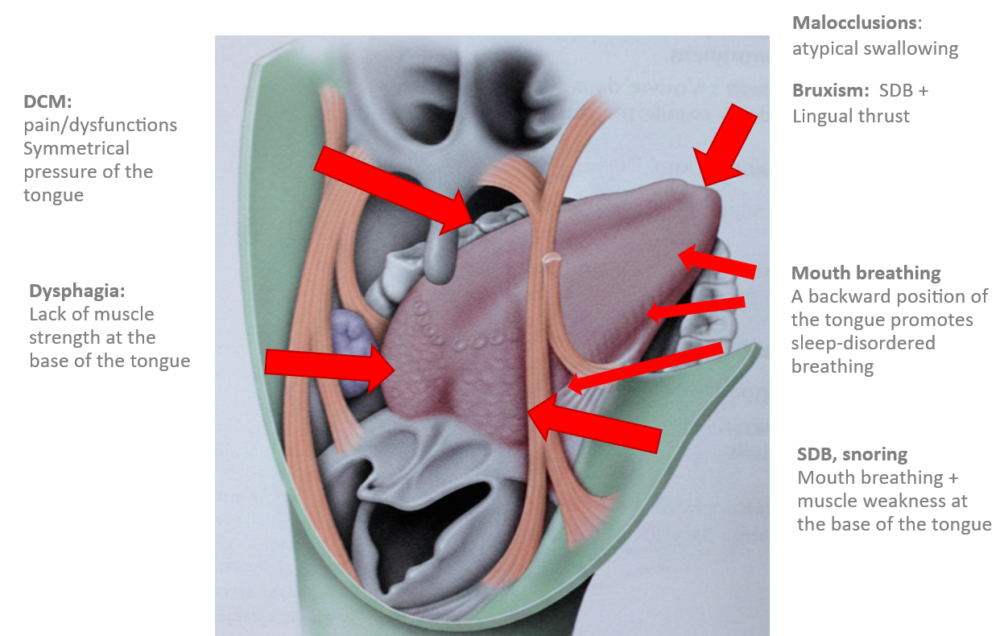
The tongue and its impacts:
The tongue is a complex muscular organ located in the oral cavity, at the junction of the respiratory and digestive tracts. Due to its position and neuromuscular activity, it plays a direct role in vital functions such as breathing, swallowing, chewing, and phonation.
The strength, endurance, and symmetry of the tongue play a key role in essential functions: swallowing, phonation, chewing, and breathing.
The tongue also influences the temporomandibular joints (TMJs), the growth of the face and mandible, and the craniocervical posture. It therefore acts as a major determinant of orofacial biomechanics.
Tongue-Tech and Tongue Lab technologies have been developed to assess, train, and optimize tongue functions and position in order to restore lasting physiological functioning of orofacial functions.
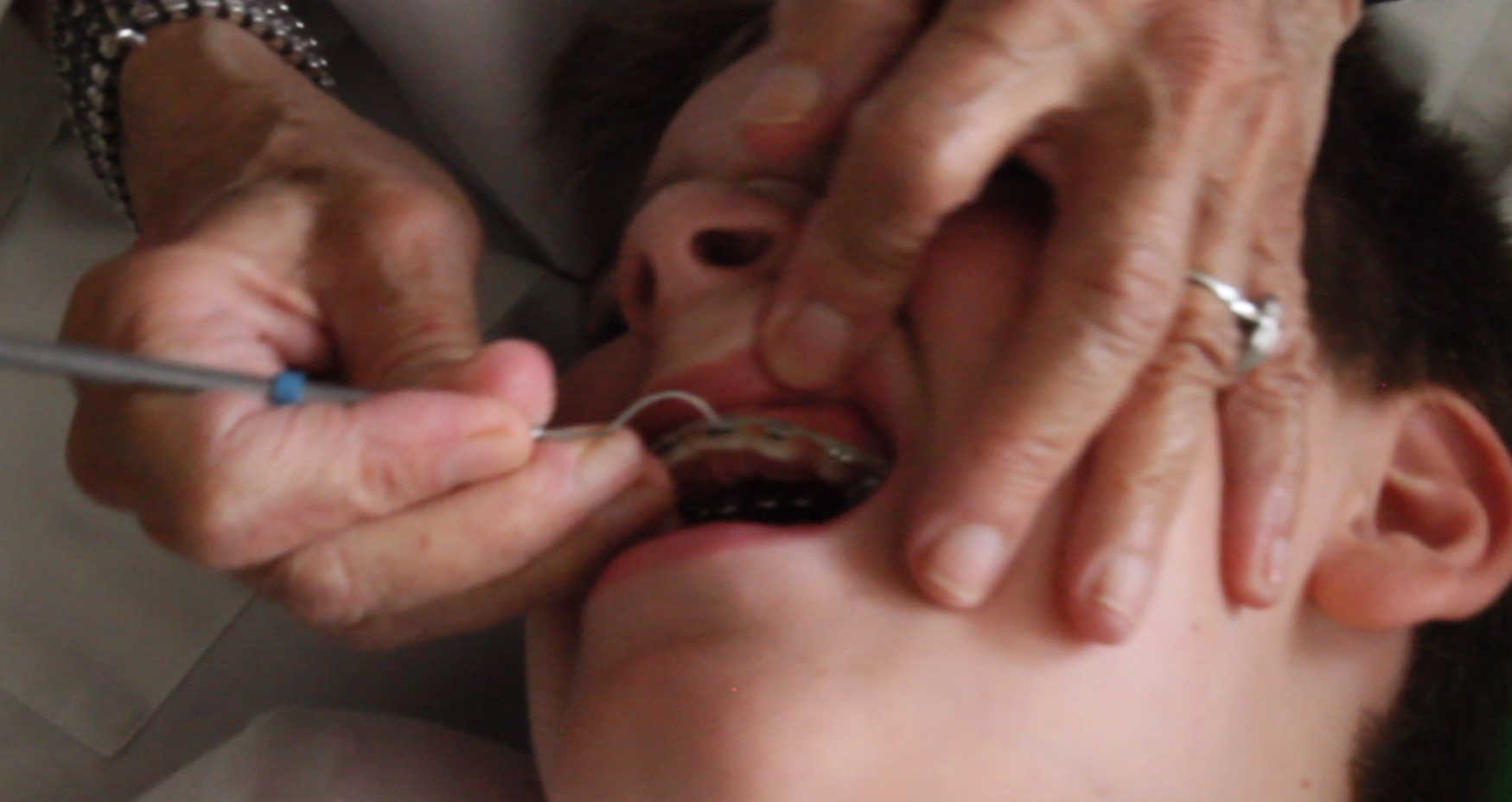
Objective measurement of tongue strength and endurance with a standardized tool, such as the Tongue Pressure Measurement Device (TPMD), provides quantifiable insights about the patient’s initial functional status.
This data not only guides treatment planning but also allows for objective monitoring of clinical progress during follow-up visits, promoting evidence-based interdisciplinary practices and enhancing the reliability of therapeutic interventions.
Additionally, evidence of small but rapid improvements serves as a strong motivation for patients.

Specific documents (bibliographical, clinical protocols…) are available in the download section for registered users.
Frequently Asked Questions – Practicians
TPMD (Tongue Pressure Measurement Device) is a CE-marked medical device designed to objectively measure tongue strength, endurance, and orofacial force symmetry in clinical practice.
TPMD enables standardized measurement of:
- Anterior and mid-tongue strength
- Tongue endurance and fatigue resistance
- Left/right symmetry of tongue force
- Lip and cheek closure strength
Clinical evaluation of tongue function is often subjective. Objective measurement provides quantifiable baseline data, supports treatment planning, enables reliable longitudinal monitoring, and fosters patient motivation.
TPMD is used in:
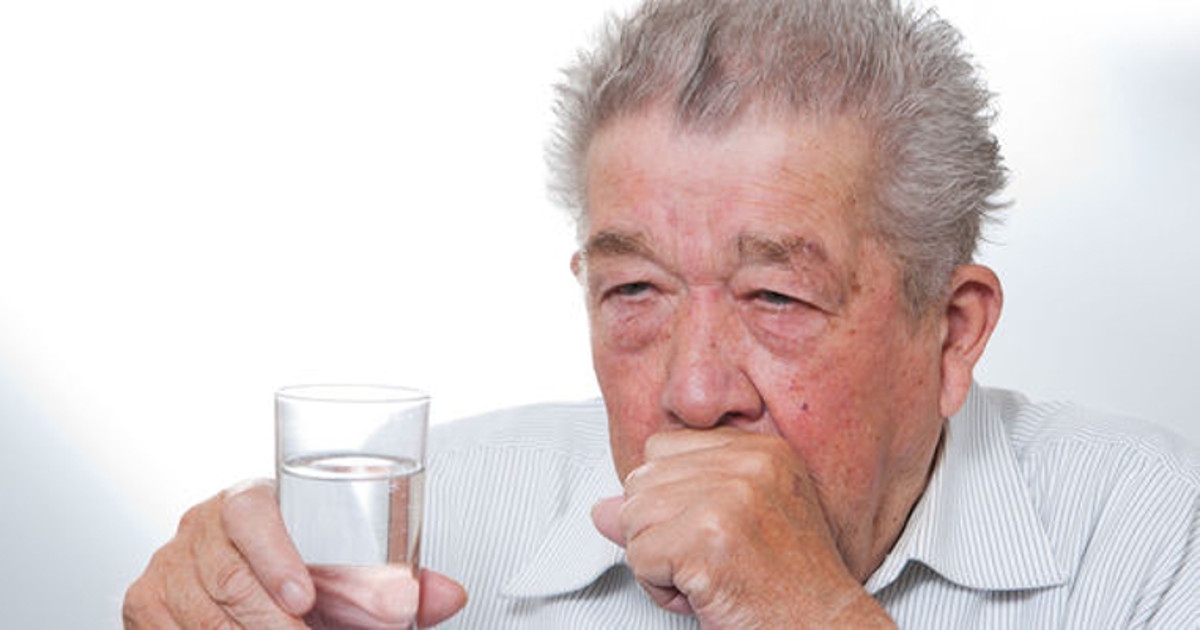
- Dysphagia assessment and monitoring
- Sleep-disordered breathing evaluation: assessment of tongue endurance for muscle responsiveness
- Orthodontics and related speech or orofacial myofunctional therapy: to assess the physiological impact of rehabilitating tongue functions
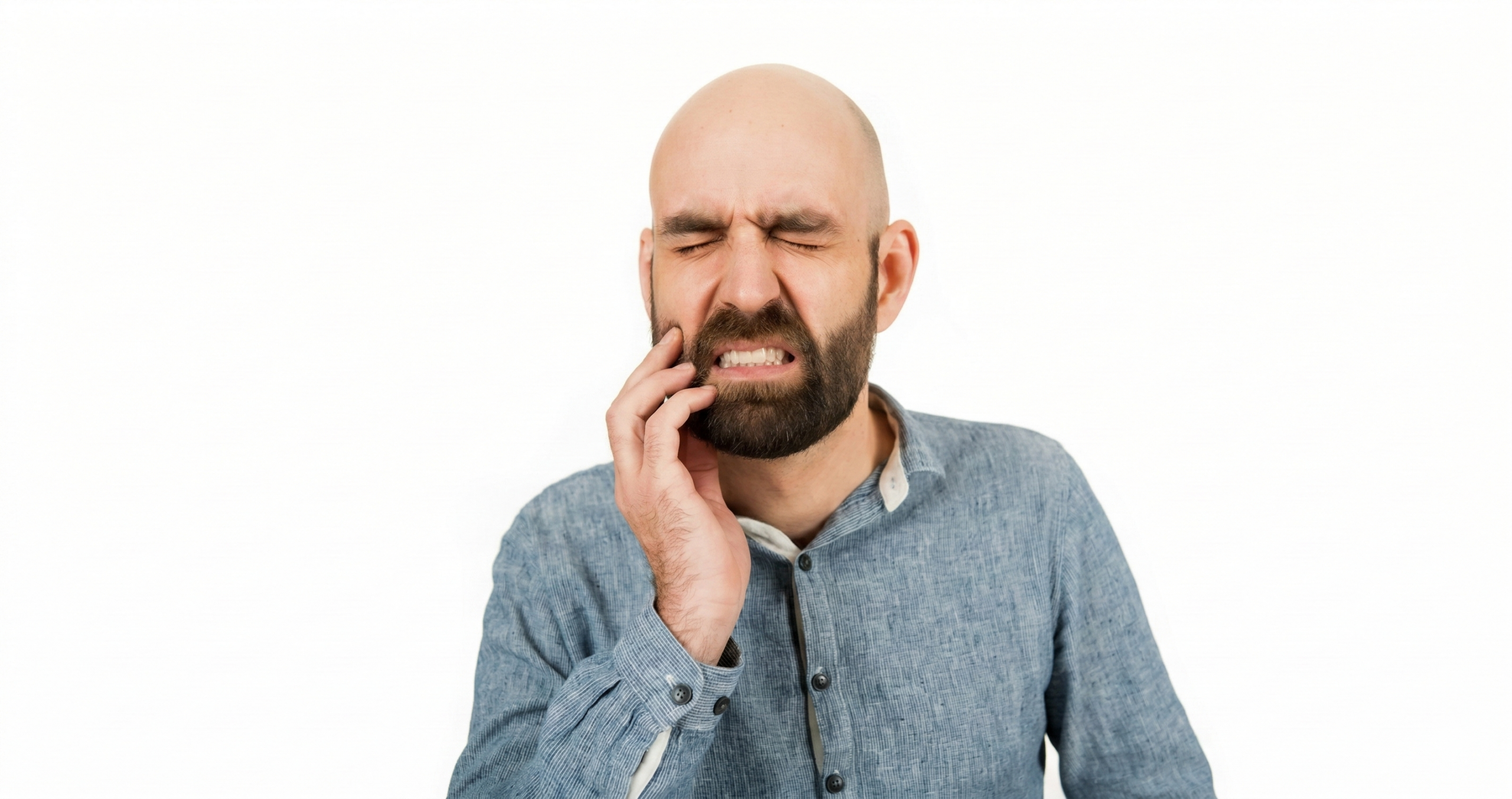
- Temporomandibular disorders, to assess the physiological impact of rehabilitating tongue functions
TPMD has been widely adopted in clinical practice, with more than 30,000 devices in use worldwide and over 3.5 million measurements performed. Tongue pressure measurement using TPMD is reimbursed in Japan.
Yes. TPMD can guide and monitor rehabilitation treatment using devices or exercises by providing real-time feedback and documenting functional progress.
No. TPMD complements clinical expertise by providing objective data that supports decision-making and interdisciplinary communication.
Clinical protocols, documentation, and software are available through secure professional access after registration.